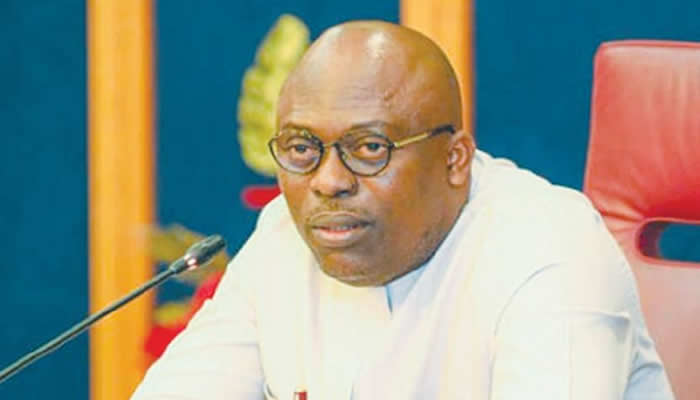
A widening political rift is unfolding within the Ibarapa East Local Government Area as local youths and community stakeholders express deep frustration over what they describe as high-handedness, lack of accountability, and the sudden reappearance of the Speaker of the Oyo State House of Assembly, Rt. Hon. Adebo Ogundoyin.
Leaked transcripts from a prominent community platform, “Politics of Eruwa,” reveal growing resentment among constituents who accuse the third-term lawmaker of abandoning the community for years and attempting to stage a smooth political comeback through the leadership of the Eruwa Youth Movement (EYM).
At the center of the crisis is renewed anger over an incident that occurred a few months ago, the arrest of a local youth activist popularly known as Radical Harshasha. The development has become a major rallying point for community members, many of whom argue that a leader accused of using law enforcement to silence criticism cannot now seek peaceful dialogue with the same group.
A Past Arrest Ignites Fresh Boycott Calls
The memory of the activist’s detention at the Eleyele Police Headquarters in Ibadan has reignited outrage within the community. Several contributors to the discussion described the alleged use of police power against dissent as unjustifiable and deeply troubling.
One contributor noted that the idea of arresting individuals over criticism is both excessive and counterproductive, warning that such actions undermine democratic engagement and freedom of expression.
Another participant pointed out what they described as a contradiction, questioning the moral basis of inviting the same youths for dialogue after subjecting one of them to arrest. According to this view, the move represents a significant affront to the collective dignity of the youth population.
The issue is further compounded by the Speaker’s prolonged absence from community engagement channels. Participants alleged that he exited indigenous WhatsApp groups, deactivated his lines of communication, and remained largely inaccessible to constituents throughout his tenure, only to now seek engagement through selected youth leadership structures.
A separate contributor criticized this approach, arguing that it insults the intelligence of the people. The contributor emphasized that a leader who distances himself from his base during critical periods cannot expect loyalty when it becomes politically convenient. The statement concluded with a firm position that abandonment should not be rewarded.
Calls have also emerged demanding that any planned engagement be made transparent. According to several voices, the Speaker must return to the main community platform, address concerns openly, and explain his previous disengagement before any dialogue can be considered legitimate. Failure to do so, they warned, could result in a total boycott of the meeting.
Community Elders Urged to Stay Neutral
There are also concerns that respected community leaders are being positioned to mediate and soften the growing resistance among youths. Many participants cautioned elders against being used as intermediaries for political interests, urging them to preserve their credibility and remain neutral.
Youths insisted that traditional and community leaders should not serve as protective shields for politicians who only reconnect with their constituents during election cycles.
Missing Legislative Dividends Questioned
Beyond the controversy surrounding the arrest, a major source of dissatisfaction lies in what many describe as a lack of tangible development projects in Eruwa during the Speaker’s time in office.
Several contributors challenged supporters of the lawmaker to identify clear and impactful projects executed within the community over the years. Questions were also raised about the logic behind a public representative disengaging from the very people he was elected to serve.
Another voice dismissed recent claims of project delivery as insufficient, arguing that isolated interventions do not justify years of representation without visible, large-scale impact.
Pressure Mounts on EYM Leadership
The executive leadership of the Eruwa Youth Movement is now under intense scrutiny, with members accusing it of providing a soft landing for the Speaker. Critics argue that the group risks losing its credibility if it is perceived as aligning with political interests rather than prioritizing the welfare of the community.
Some participants called for the establishment of clear principles and procedures to guide the group’s engagements, insisting that no individual should be able to summon the youth body for political purposes without accountability.
As political alignments begin to take shape, the youths of Ibarapa East appear determined to challenge longstanding patterns of passive loyalty. Their message remains clear: accountability is non-negotiable, past actions have consequences, and genuine engagement with the people cannot be activated only when it is politically expedient.